





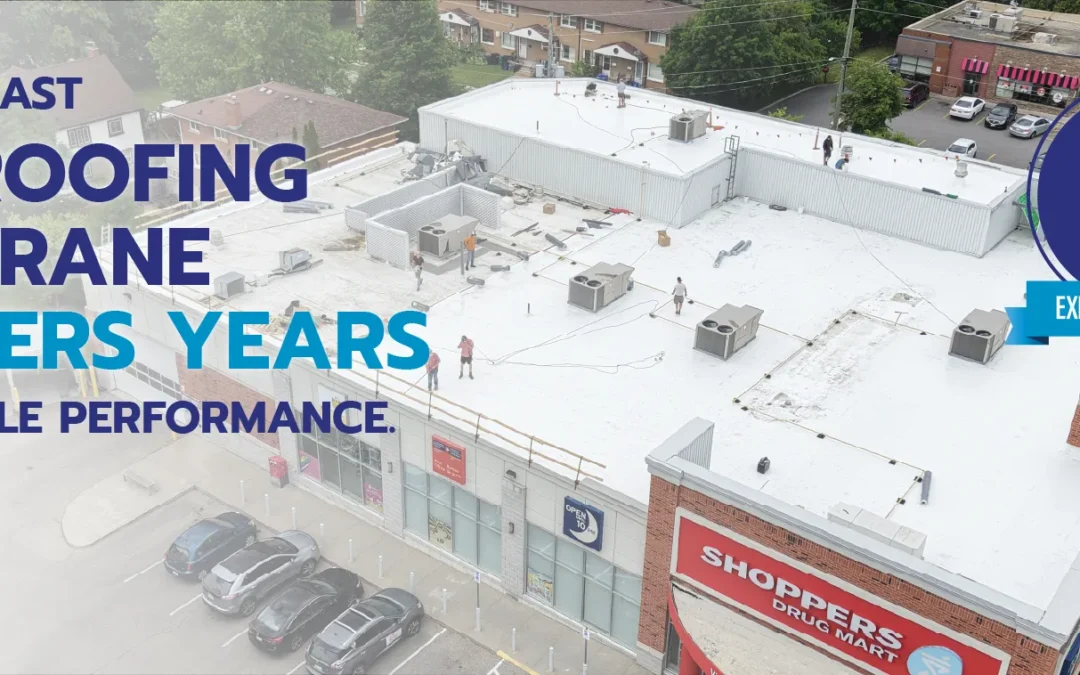
When investing in a commercial or industrial roofing system, one of the most important questions asked is: how long will it last?
Among single-ply roofing membranes, PVC is recognized for its long-term durability and performance. In many industrial and commercial applications, when installed properly, PVC roofing membranes can provide reliable protection over many years.
However, a roofs lifespan is influenced by more than just the type of membrane. Factors such as installation quality, maintenance practices, exposure to weather, and rooftop traffic can all impact how a roofing system performs over time.
Understanding the expected lifespan of a PVC roof and the factors which contribute to long-term performance can help building owners make more informed decisions when evaluating roofing options and long-term roofing costs.
How Long Does a PVC Roofing Membrane Last?
The main reason why PVC roofing membranes are selected is their ability to deliver long-term, reliable performance. In most commercial and industrial applications, a properly installed and well-maintained PVC 80 mil roofing membrane can last 30+ years.
Lifespan can vary on several factors including installation quality, environmental exposure, maintenance practices, and the usage of the roof. Rooftops that receive routine inspections and maintenance when required are more likely to achieve or exceed their expected service life.
Compared to many other flat roofing systems, PVC is often selected for its combination of longevity, durability, and consistent performance over time. This extended lifespan can lower the replacement frequency and life-cycle costs.
The long-term performance of a PVC roofing system is more than just the membrane itself. It is supported by strong heat-welded seams, strong waterproofing performance, and resistance to a variety of environmental conditions.
What Factors Affect PVC Roof Lifespan?
While PVC roofing membranes are known for their ability to deliver years of strong performance, their lifespan can be influenced by several factors. Understanding these factors helps building owners maximize the lifespan of their roofing system.
Installation Quality
- Proper installation is one of the most important factors affecting a roof lifespan.
- Correct seam welding, details, and workmanship help ensure long-term performance.
- Poor installation could reduce the lifespan of any roofing system.
Weather and Environmental Exposure
- PVC roofs are exposed to sun, rain, temperature fluctuations, and environmental contaminants throughout their lifespan.
- Environmental conditions can impact long-term performance.
- PVC membranes are designed to provide protection in a variety of climate conditions.
Rooftop Traffic
- Frequent foot traffic can contribute to roof wear over time.
- Service personnel, rooftop equipment, and roof usage can impact membrane conditions over time.
- Managing rooftop traffic can help preserve roof performance.
Maintenance and Inspections
- Regular inspections help identify minor issues before they become much larger problems.
- Keeping drainage areas clear helps with long-term performance.
- Routine maintenance can help maximize a roof lifespan.
All these factors do contribute to the lifespan of any roofing system, but proper installation and maintenance are often the greatest contributors to achieving the maximum lifespan of a PVC roofing membrane.
Why PVC Roofing Systems Are Known for Long-Term Performance
The ability of PVC roofing membranes to deliver years of service life is not the result of a single feature. Instead, it comes from a combination of performance characteristics that help the roofing system withstand a variety of conditions over time.
Heat-Welded Seams
- Seams are heat-welded, creating a strong, watertight bond.
- Welding fuses the membrane together, creating consistent seam performance across the whole roof.
- Strong seams help reduce the risk of water infiltration over time.
Water and Ponding Water Resistance
- Built to withstand exposure to ponding water without deterioration.
- Thermoplastic PVC membrane is suited for long-term waterproofing performance.
- Anti-wicking polyester reinforcement provides enhanced moisture resistance.
Chemical Resistance
- Resistant to many chemicals, oils, and greases which would commonly be found in commercial and industrial environments.
- Suitable for buildings exposed to rooftop exhaust and industrial containments.
- Helps maintain performance in demanding conditions.
UV and Weather Resistance
- Reflective membranes contribute to long-term performance.
- Designed to withstand prolonged exposure to sunlight and changing weather conditions over time.
- Resistance to environmental factors can contribute to material degradation over time.
Together, these performance characteristics help PVC roofing membranes maintain their durability and reliability over decades of service.
Want to learn more about the performance advantages that contribute to long-term performance of PVC roofing? Explore the full range of Goliath PVC benefits.
Extending the Life of a PVC Roof
While PVC roofing membranes are designed to deliver strong performance over its lifespan, proactive maintenance plays an important role in helping a roofing system achieve its full life span. A well-maintained roof is more likely to provide consistent protection, reliable performance, and long-term value.
Best Practices for Maximizing PVC Roof Lifespan
- Conduct regular roof inspections, especially after a major weather event.
- Keep drains and drainage pathways clear of debris.
- Monitor seams and rooftop details for signs of wear or damage.
- Limit unnecessary foot traffic and use designated walkways.
- Address minor issues quickly to prevent them from developing into larger issues.
- Maintain a consistent roof maintenance practice.
Why Maintenance Matters
- Helps identify potential issues before they impact roof performance.
- Supports proper drainage and reduces the risk of standing water.
- Preserves the condition of roofing membrane and roof details.
- Contributes to achieving the roofs full lifespan.
While PVC roofing membranes are designed for long-term durability, routine inspections and preventative maintenance remain important for maximizing a roofs lifespan. Building owners who take a proactive approach to roof maintenance are more likely to achieve the full lifespan for their roofing system.
Want to learn how to maximize the lifespan of your roof? Read our guide: How to Maintain a PVC Roof for Maximum Lifespan.
PVC Roofing Lifespan Compared to Other Roofing Systems
When evaluating a roofing system, lifespan is often one of the most important considerations. No roofing material can last forever, but some systems are designed to provide longer service life than others under similar conditions.
Typical Roofing Systems Lifespans
- PVC 80 mil: 30+ Years.
- EPDM: 25+ Years.
- TPO: Around 20 Years.
- Modified Bitumen: 15 – 20 Years.
Lifespan should never be the only factor when selecting a roofing system, although it should be a significant one. PVC roofing systems are often selected for applications where long-term performance and reliability are priorities. Combined with proper installation and maintenance, their extended lifespan can help reduce the need for premature roof replacement and support long-term performance.
Interested in how PVC performs against other roofing systems? Explore all our comparisons:
PVC Roofing vs Modified Bitumen Roofing
Lifespan vs Lifetime Cost
A roofing system which lasts longer may help reduce replacement frequency and extend the time between major roofing investments.
Since PVC 80 mil roofing membranes are meant to deliver 30+ years of performance, they often are selected for projects where long-term reliability and values are a priority. When combined with proper installation and maintenance, a longer lasting roofing system can help contribute to lower ownership costs by reducing the need for early replacement.
Maintenance requirements, repair costs, installation expenses, and long-term performance all play an important role in determining the overall life-cycle cost of a roof.
Overall PVC roofing membranes are widely recognized for their ability to deliver 30+ years of performance, making them one of the longest lasting single-ply roofing systems available for commercial and industrial roofing applications. However, proper installation, regular maintenance, and ongoing roof care all play a role in long-term performance.
From heat welded seams and waterproofing performance to resistance against environmental exposure, PVC offers a combination of features that help support durability and reliability over time. These characteristics have made PVC a long-term roofing solution which maximizes building owners’ roofing investment.
While no roofing system lasts forever, understanding the factors that influence a roofs lifespan can help building owners make more informed decisions when selecting and maintaining a PVC roofing membrane.